Eco-Friendly Traveler Checklist: Pack for Less Waste

A lighter-footprint trip starts before you leave home. The route you choose, what you pack, and how you spend your days can all shape the resources you use along the way. You don’t need a perfect itinerary to make progress; a few decisions that fit your destination and budget can be a useful start.
Our Eco-Friendly Traveler Checklist is a $2.99 digital download designed to bring sustainable travel planning and packing decisions into focus. Use it alongside your itinerary to consider what you already own, what you’ll actually need, and where lower-waste habits make sense for your trip.
Start with the journey
Transportation can be one of the biggest factors in a trip’s footprint, so begin by looking at the distance you plan to travel. A nearby destination might give you more time to explore and make it practical to take a train or bus. If you’re considering several flights, a longer stay in one place or fewer stops may mean fewer flights overall.
Compare the routes available to you rather than assuming one option will always be best. Distance, occupancy, connections, and the type of transportation all matter. If driving is necessary, sharing a ride with fellow travelers can spread the journey’s impact across more people. The EPA’s guide to passenger vehicle emissions offers context on how driving produces greenhouse gas emissions.
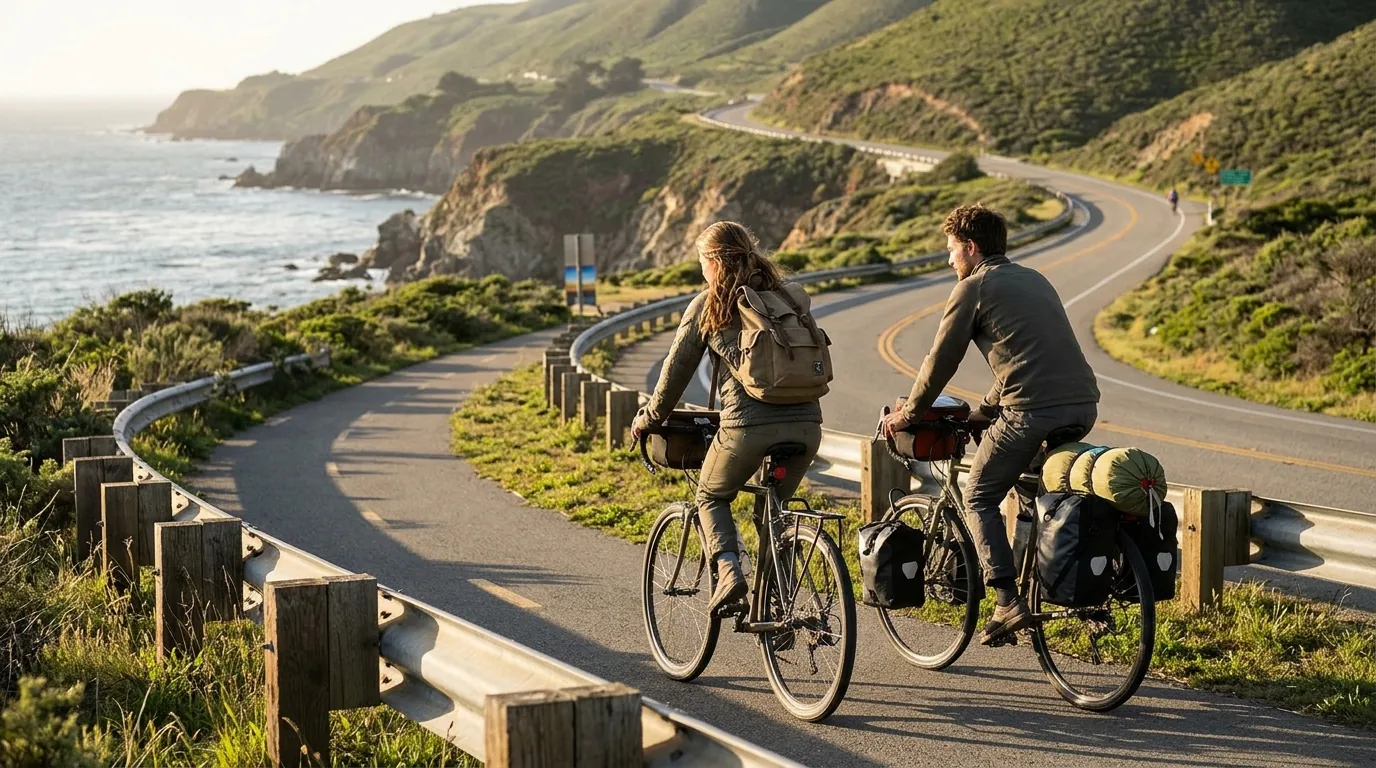
Think about the last part of the journey, too. Can you reach your lodging by public transit? Is the neighborhood walkable, or is cycling a realistic option? Mapping out a few likely trips before booking can help you choose a convenient place to stay and avoid relying on individual car rides for every outing.
Pack for less waste
Reusable gear can help you avoid some single-use items, but buying a whole new travel kit isn’t the goal. Start with your cupboards and drawers: a bag, bottle, or container you already use at home may be all you need. Our checklist can serve as a planning aid while you consider which essentials fit your itinerary.
Pack with your actual plans in mind. A container may be useful for a road trip with picnic stops, while a lightweight set of utensils might be easier to carry on a city break. Leave items behind if they won’t get used. If you’re flying, review baggage and liquid restrictions before filling your toiletry containers.
| Travel need | Reusable option | Planning tip |
|---|---|---|
| Drinking water | Refillable bottle | Check local water safety and refill options. |
| Meals on the go | Reusable utensils or container | Pack what fits your itinerary and baggage rules. |
| Shopping | Foldable bag | Use one you already own. |
| Toiletries | Refillable containers | Check airline liquid restrictions if flying. |
A refillable bottle is convenient only when you have access to safe water. Look into conditions at your destination before relying on tap water or public refill stations, and follow local health guidance. Keep your plans flexible if safe refill options are limited.
Make thoughtful choices at your destination
Once you arrive, small habits can help reduce unnecessary waste and support the places you visit. Consider eating at local restaurants, shopping with local businesses, and choosing activities that respect the community. Ask before photographing people, follow posted guidance in protected areas, and give wildlife space rather than feeding or approaching animals.
Waste systems differ from place to place. Look for local sorting instructions rather than assuming an item belongs in the same bin it would at home. When you’re unsure, ask your host or check signs at your lodging. Carrying a small reusable bag can also make it easier to hold onto litter until you find an appropriate bin.
At your lodging, reuse towels when practical, turn off lights and cooling or heating when you leave, and avoid unnecessary water use. These choices won’t make a trip impact-free, but they can help you be more intentional with resources. For a broader perspective on tourism’s environmental and community considerations, explore UN Tourism’s sustainable development guidance.
Put the checklist to work
Before departure, set aside a few minutes with your itinerary and our Eco-Friendly Traveler Checklist digital download. Review the product listing, then use the guide to bring your packing and green travel planning into focus. Think through your transportation, the items you already have, and the habits you can realistically keep while away.
If meal planning is part of your preparation at home, you can also explore our Healthy Meal Plan & Recipe Collection. It’s a separate digital resource for meal ideas, not a requirement for using the travel checklist.
Our team encourages you to choose a few manageable changes for your next trip: perhaps a closer destination, a bag you already own, or a plan to use local transit. Build on what works for you next time rather than aiming for perfection.
FAQ
What is the most eco-friendly way to travel?
It depends on the distance, route, and number of people traveling. Choosing a closer destination and using trains, buses, walking, or cycling where practical can reduce transportation emissions compared with more carbon-intensive options.
What should I pack for a lower-waste trip?
Consider a refillable bottle where water is safe, a reusable bag, and meal or toiletry containers suited to your plans. Prioritize items you already own and will actually use.
How can a sustainable travel checklist help?
A checklist can help you organize packing and travel decisions before you leave. Use it alongside your itinerary to identify practical changes that fit your trip.











Leave a comment